
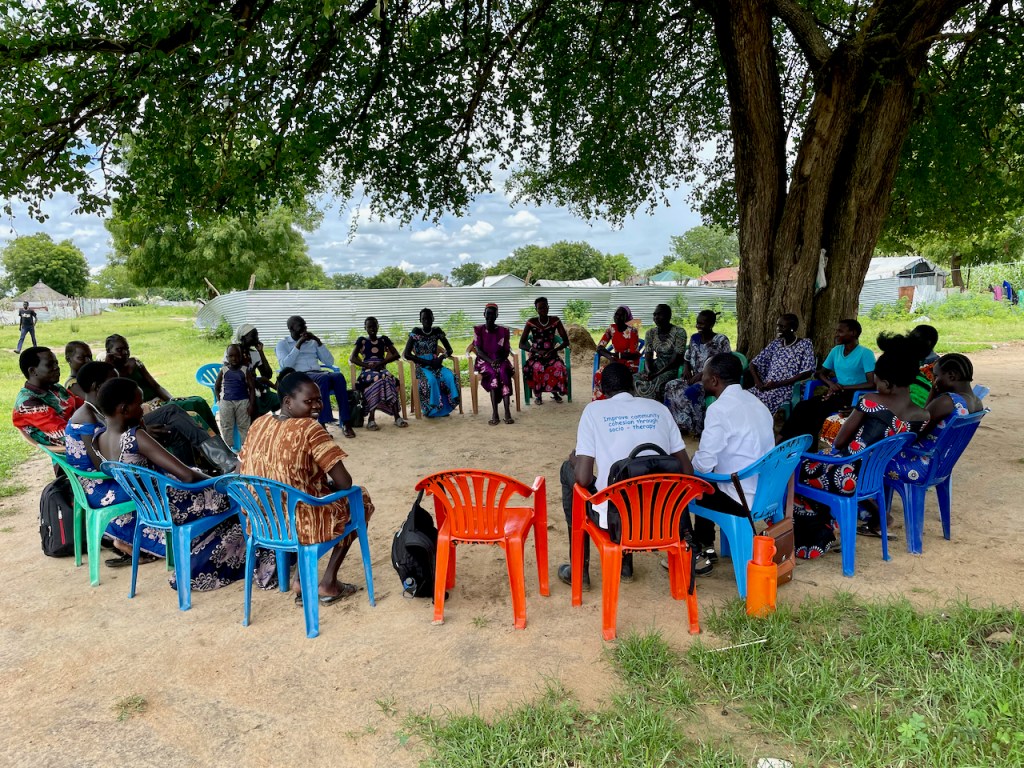
Building peace in South Sudan: Peace Committees and Promoters
In Jonglei State, ZOA Dorcas, together with local partner AWACE, implemented a five-year multi sectoral project funded by Pharus Foundation. The initiative supported the establishment of Peace Committees and introduced Community-Based Sociotherapy (CBS), two complementary approaches to promote reconciliation, dialogue, and resilience.
Conflict and context
Decades of intercommunal violence, displacement, and recurring floods have left deep scars on local communities in Jonglei State. Since 2013, many families have fled their original villages to seek refuge around Bor town. People from different clans, ethnic groups, and payams now live side by side in the area. With poverty, displacement, and widespread access to small arms, even small disputes can easily escalate into violence. In this context, ZOA Dorcas aimed to contribute to peace and stability.
Peace Committees and Peace Promoters
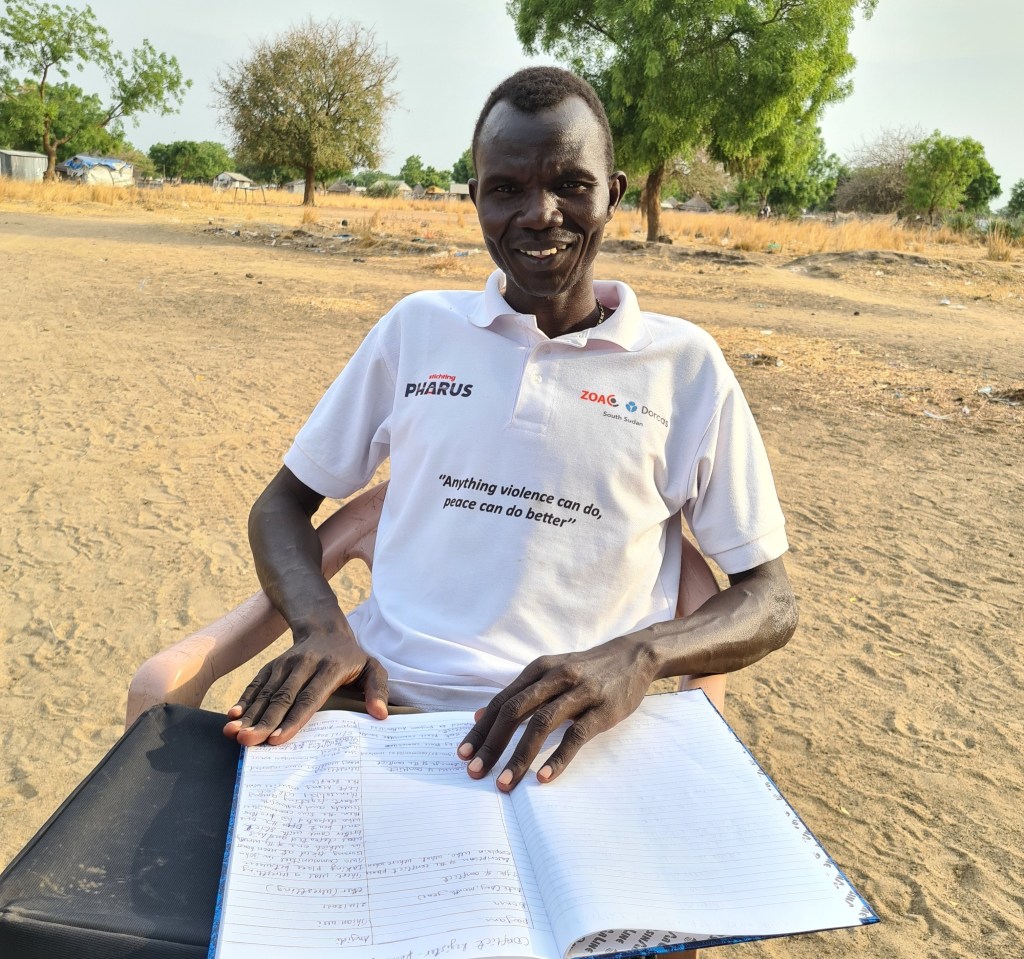
Three Peace Committees were set up in different payams near Bor, bringing together local leaders, including women and youth representatives. Alongside them, 200 Peace Promoters work at the village level, all on a voluntary basis.
Their role is crucial: they mediate family and community disputes, de-escalating conflicts before they spiral into violence. While they are not yet able to resolve large-scale conflicts between Dinka and Murle communities, their work within Dinka communities has made a real difference. Chiefs and police often turn to them for support, recognising their neutrality and ability to calm tensions quickly.
“ZOA Dorcas trained us not to distance ourselves, but to stay close to people when they face conflict. The local authorities now ask us to mediate.” – Peace Promoters
Community-Based Sociotherapy (CBS)
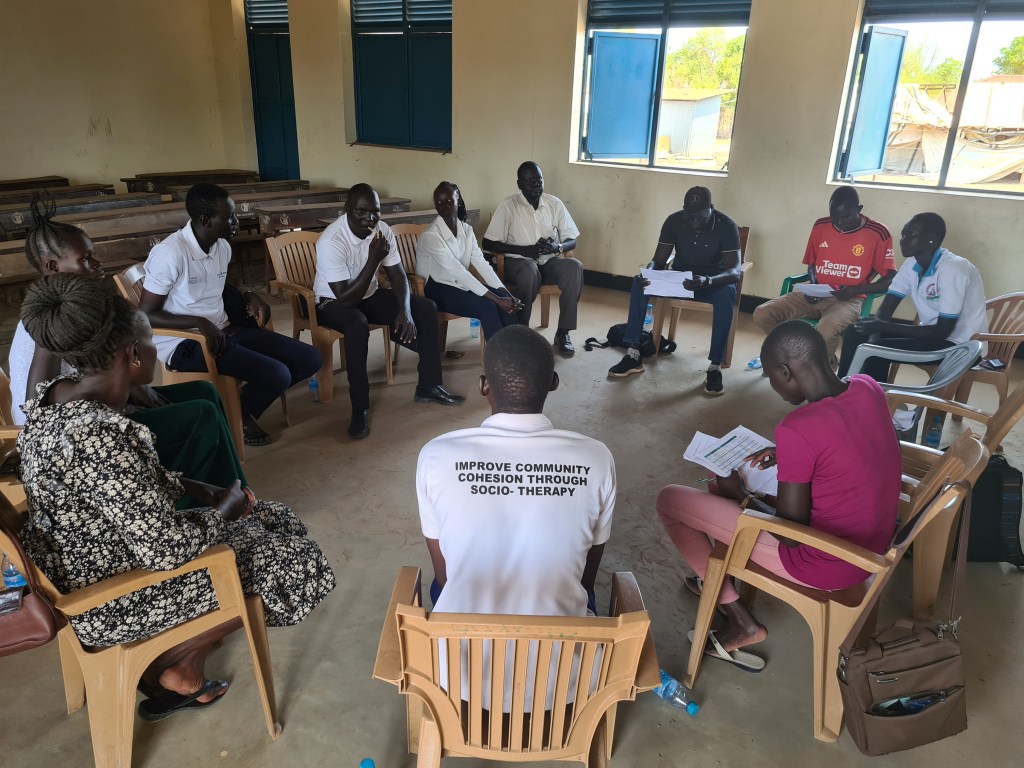
Alongside the Peace Committees, the project also introduced Community-Based Sociotherapy (CBS). This approach brings together groups of around 15 men and women for 15 weeks to reflect on themes such as safety and trust, care and respect, life orientation, and memories.
Nearly 2,000 people participated in CBS sessions. Research shows that the methodology has a strong impact in South Sudan: it improves individual wellbeing, strengthens family life, and fosters better relationships between neighbours. Participants often start small economic activities, boosting their livelihoods and sense of dignity. Women, in particular, became more active in decision-making at both family and community levels.
Research Reports
The research conducted at the end of the project confirms that both Peace Committees and CBS are highly effective in the fragile South Sudanese context. Peace Promoters play a vital role in preventing violence at the local level, while CBS strengthens resilience by addressing the emotional wounds of conflict and displacement.
 ZOA Dorcas South Sudan